Key Takeaways
- First-time Orlando landlords should confirm legal requirements, insurance coverage, association rules, property condition, and financial reserves before listing a rental.
- Consistent screening, realistic vacancy planning, and proactive maintenance can help reduce avoidable risk once the tenancy begins.
- Professional property management can give Central Florida owners additional support with leasing, compliance, maintenance, accounting, and day-to-day operations.
Renting out a house for the first time in Central Florida can seem simple until questions start piling up. Do you need a business license? Does your homeowners policy still cover the property once a tenant moves in? What happens if your Winter Park condo association delays approval?
At Rent Prosper, we hear these questions from owners across Orange, Seminole, Osceola, and Brevard counties who inherit a house, relocate, or buy their first rental.
Orlando's rental market has cooled, with days on market now past 40. That makes pricing, preparation, and screening especially important. Skipping the legal and financial groundwork can lead to insurance issues, screening mistakes, association delays, and compliance problems.
Learn More About Rent Prosper
(407) 449-7887 About Us
If you’re looking for the full process of how to rent out your house in Orlando, including pricing, marketing, leasing, and ongoing management, our broader guide walks through each step.
This checklist covers what to address before you list so you can enter your first tenancy with a clear plan.
Get Your Legal Paperwork in Order First
Florida landlord-tenant law is governed primarily by Florida Statutes Chapter 83, which covers issues such as deposits, notices, and lease terms.
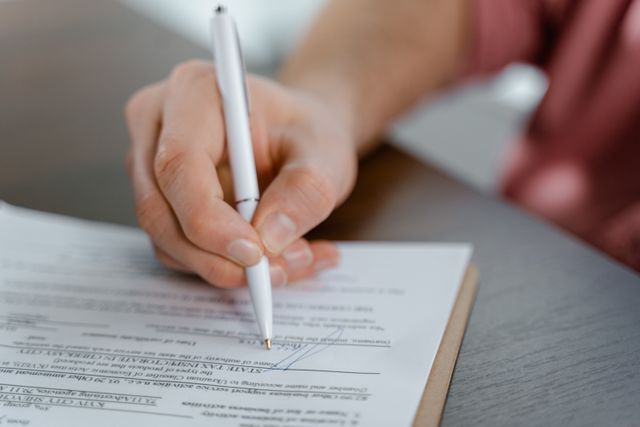
Before advertising the property, make sure your documents and procedures are designed for Florida rentals.
- Use a Florida-specific lease. A generic template may not reflect current state requirements for notices, deposits, fees, or nonpayment.
- Handle the security deposit correctly. Florida Statute 83.49 includes requirements for holding deposits and notifying tenants about how those funds are maintained.
- Understand state and local rules. HB 1417, effective in 2023, preempted many local landlord-tenant ordinances, but owners should still confirm which local requirements apply.
- Provide required disclosures. Depending on the property, these may include federal lead-based paint disclosures, Florida's radon notification, and other required information.
- Review Fair Housing obligations. Advertising, screening, showings, and leasing decisions should be handled consistently and without discrimination based on protected characteristics.
Owners with questions about a specific lease, deposit, notice, or dispute should consult a Florida real estate attorney.
Landlord Insurance vs. Homeowners Insurance
Insurance is one of the easiest items for first-time landlords to overlook. Standard homeowners insurance is generally designed for an owner-occupied property, so coverage may need to change when the home becomes a rental.
Before move-in:
- Ask about a landlord or dwelling policy designed for non-owner-occupied property.
- Review loss-of-rent coverage in case a covered event makes the property temporarily uninhabitable.
- Confirm liability limits and understand what protection is available if someone is injured at the property.
- If you own a condo, review both your unit policy and the association's master policy to identify potential coverage gaps.
- Budget for Florida insurance costs using current premiums rather than older estimates.

The simplest step is to ask your carrier directly whether the property will remain fully covered after it becomes a rental.
Check Licensing and Association Approvals
Long-term rental requirements can vary by city, county, and property type, so check the rules before listing.
If the property is in a condo or HOA, review the laws and regulations carefully. Some associations require a copy of the lease, tenant applications, background checks, or board approval before occupancy. Those procedures can add time to the leasing process.
Owners should also check for rental caps, minimum lease terms, applicable business tax requirements, and restrictions on short-term rentals. Do not assume the rules for a single-family home in one Central Florida jurisdiction will be identical to those for a condo or townhome elsewhere.
Rent Prosper manages units in more than 100 Central Florida condo communities and holds seats on eight condo boards, so association timelines are factored into the leasing process from the beginning.
Get the Property Rent-Ready
Florida landlords have maintenance obligations under state law, but rent-readiness should go beyond meeting the legal minimum. A clean, safe, functional property is easier to market and less likely to generate immediate maintenance calls after move-in.
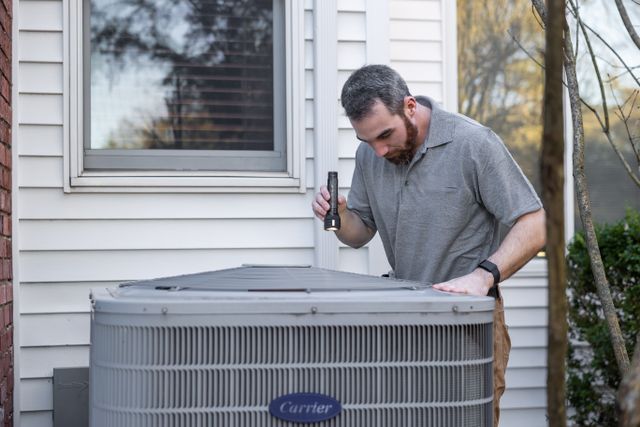
Before listing:
- Test smoke and carbon monoxide detectors and replace batteries where needed.
- Service the HVAC system. Central Florida heat places heavy demand on cooling equipment.
- Review past work for permit issues when applicable, especially major electrical or structural projects.
- Photograph the property's condition before move-in so you have a clear record later.
- Address deferred maintenance before a tenant occupies the property rather than waiting for problems to be reported.
Rent Prosper's in-house maintenance team, licensed HVAC company, and Florida-licensed general contractor allow repairs and turnover work to be coordinated within the same broader operation.
Learn More About Rent Prosper
(407) 449-7887 About Us
Build Financial Reserves Before Day One
A rental budget based only on the mortgage assumes everything goes right. Owners also need room for vacancies, repairs, insurance increases, and major capital expenses.
Consider setting aside:
- Several months of operating expenses, including mortgage, taxes, insurance, and HOA dues where applicable.
- A vacancy reserve, particularly given current Orlando market conditions, where properties are spending more time on the market than they did during the faster post-pandemic years.
- A separate capital reserve for major expenses such as HVAC replacement, roofing, or appliances.
- A system for tracking income and expenses from the beginning so you can evaluate total return rather than rent alone.
Adequate reserves can keep one major repair or extended vacancy from becoming a cash-flow problem.
Screen Every Applicant the Same Way
Screening is one of the most important controls an owner has over payment and turnover risk.

Set your criteria before applications arrive and apply them consistently. A thorough process may include:
- Income and employment verification
- Credit and rental history
- Previous landlord references
- Identity verification
- Background screening conducted in accordance with applicable Fair Housing requirements
Avoid changing standards simply because the property has been vacant longer than expected.
For a deeper look at how consistent criteria can reduce payment problems and turnover, see our guide to tenant screening standards.
Decide How You'll Manage the Property
Some first-time landlords successfully manage one rental themselves. Others discover that maintenance calls, rent collection, renewals, association requirements, accounting, and Florida-specific compliance take more time than expected.
Before deciding, consider whether you want to personally handle screening, leasing, rent collection, maintenance coordination, inspections, notices, renewals, accounting, and vendor management.
Rent Prosper was founded by active landlords Dan Henry and Josh Bateman, who merged their companies in 2018 and continue to own Central Florida rental property. Today, the company manages more than 1,200 units across four counties with more than 40 W-2 employees, including in-house maintenance, HVAC, and renovation teams.
The decision between self-management and professional management should ultimately come down to how much time, responsibility, and day-to-day involvement you want to maintain.
Bottom Line
If this checklist has you considering professional management, the next step is to evaluate your specific property's condition, expected rent, association requirements, and management needs.
Request a free rental analysis, call Rent Prosper's new-client line at 407-449-7887, or email hello@rentprosper.com to discuss what your Orlando-area rental needs before it goes to market.
Learn More About Rent Prosper
(407) 449-7887 About Us
Frequently Asked Questions
Do I need landlord insurance if I already have homeowners insurance?
Speak with your insurance carrier before renting the property. Standard homeowners insurance is generally designed for owner-occupied homes, while landlord or dwelling policies are structured for rental use and may include additional liability and loss-of-rent coverage.
What's the biggest mistake first-time landlords in Orlando make?
One common mistake is listing before confirming the basics. Insurance coverage, lease documents, deposit procedures, association requirements, property condition, and screening criteria should all be addressed before an applicant is ready to move in.
How much should I keep in reserve before renting my house?
The appropriate amount depends on your mortgage, property condition, insurance, taxes, and HOA expenses. Many owners benefit from keeping several months of operating costs available along with a separate reserve for major repairs or replacements.
Does my condo association have to approve my tenant?
It depends on the governing documents. Some Central Florida associations require lease approval, tenant applications, background checks, or other documentation before occupancy. Review those requirements before marketing the property.
Can Rent Prosper help if I've already started this checklist myself?
Yes. Rent Prosper works with owners at different stages, including properties that are still vacant, being prepared for lease, or already occupied under an existing tenancy.
Learn More About Rent Prosper
(407) 449-7887 About Us